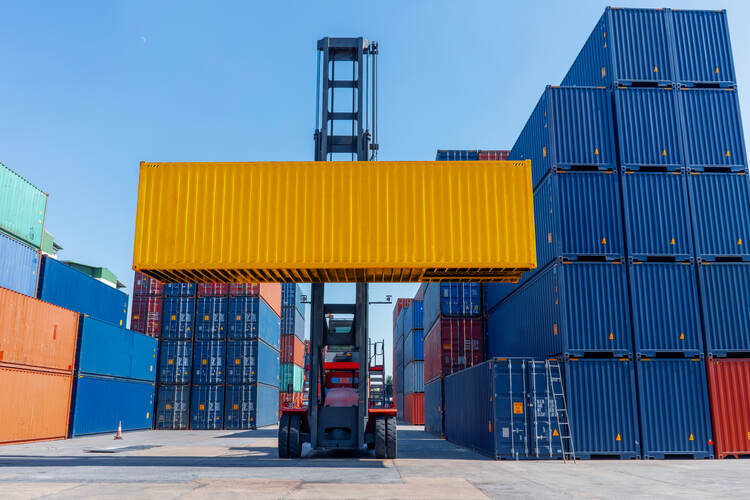
Container transportation is considered one of the most critical components of global trade. By enabling the fast and secure distribution of goods worldwide, this system has greatly standardized and simplified logistics processes by carrying different types of cargo in standardized containers. The methods applied for various cargo types increase trade efficiency while also offering economic advantages such as reducing transportation costs and minimizing environmental impact. Best practices in this field are shaped according to the nature of the cargo and transportation conditions, ensuring the safest and most cost-effective transport solution for each type of load.
Advantages of Container Transportation According to Different Cargo Types
Thanks to their standardized dimensions and globally accepted structure, containers are ideal for transporting almost all types of cargo. This method reduces costs, especially for long-distance shipments, while also providing superior protection and security for goods. Due to their modular design, containers can be easily integrated into road, rail, and sea transportation.
Container Use and Efficiency Tips in Dry Cargo Transportation
Dry cargo containers cover a wide range of products that are not sensitive to moisture or temperature, such as non-food agricultural products and machinery parts. Using containers for this type of cargo ensures maximum efficiency in transportation and storage. Placing goods on pallets provides stability inside the container and minimizes the risk of damage during transit.
Safe Transportation of Sensitive Cargo with Refrigerated (Reefer) Containers
Refrigerated containers offer transportation solutions for temperature-sensitive goods. They are particularly ideal for transporting fresh food products, pharmaceuticals, and chemical substances. Reefer containers continuously maintain the required temperature range, ensuring the freshness and integrity of the cargo. Temperature control is achieved through modern monitoring systems inside the containers, allowing optimal conditions to be maintained throughout the entire transportation process and preventing any loss of quality.
Safe Methods for Transporting Dangerous Goods in Containers
The transportation of dangerous goods requires special regulations and safety measures. In this process, the correct classification and labeling of hazardous materials, as well as the selection of appropriate container types, are of great importance. To prevent potential accidents during transport, containers suitable for the specific properties of the dangerous goods must be used, and loading operations must be carried out with great care. In addition, emergency procedures must be defined, and all relevant personnel must be properly trained. Such training helps reduce risks and ensures a safe transportation process.
Key Considerations in Container Transportation of Bulk Cargo
Bulk cargo generally consists of granular or powdered materials such as grain and coal. When transporting such cargo in containers, several important factors must be considered. First, the interior surface of the container should be lined with materials suitable for the cargo being transported. This lining prevents the cargo from sticking to the container walls and facilitates even distribution of the load. Furthermore, the efficiency of unloading systems is crucial for saving time and reducing costs. Therefore, unloading systems should be regularly inspected and properly maintained.
Suitable Solutions for Heavy Cargo Shipments in Container Transportation
Container transportation offers various solutions for shipping large and heavy cargo such as industrial machinery and equipment. The most suitable container types for such loads are flat-rack and open-top containers. Flat-rack containers, with their robust structure and open sides, allow oversized equipment to be loaded and unloaded easily. Open-top containers enable top loading, making them practical for transporting tall or bulky machinery. Both container types are equipped with advanced securing features to ensure maximum safety of heavy cargo during transit.
Secure Lashing of Cargo in Marine Containers
In maritime transportation, securing containers safely on board is critical to protecting both the cargo and the vessel. Improperly secured containers can shift due to rough seas and severe weather conditions, leading to serious damage and safety risks. Secure lashing is achieved by using appropriate securing equipment and positioning containers correctly on the vessel. This process ensures that cargo is transported without causing damage to the ship while maintaining vessel stability and navigational safety. Container lashing techniques must strictly comply with maritime safety standards and regulations.