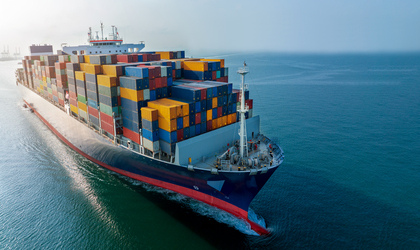
Global supply chains form the backbone of the modern economy, and the efficiency of these chains is of critical importance for businesses and consumers worldwide. Container transportation is one of the fundamental elements that ensure the smooth flow and effectiveness of these supply chains. Thanks to standardized containers, all types of goods can be transported quickly and safely across international waters and road networks. This system simplifies the journey of products from production points to consumption points, offering significant savings in both time and cost. By supporting the continuity and efficiency of global trade, container transportation enables the uninterrupted flow of goods and services in international markets.
The Contribution of Container Transportation to Supply Chain Efficiency
Supply chains are vital to the global economy, and container transportation is one of the key technologies that enable these chains to operate efficiently. From the moment products are stored until they reach the end customer, container transportation offers significant advantages in terms of time and cost. Loading goods into standard containers allows faster loading and unloading operations, which helps logistics processes be managed more effectively. Containers are equipped with intermodal capabilities that allow seamless transitions between different modes of transport, ensuring continuity in logistics operations.
Key Advantages of Container Transportation
Container transportation is a cornerstone of global trade and has earned this role through the many advantages it offers. One of its most important advantages is the use of standardized containers. These containers have universal dimensions that are accepted by almost all ports, rail terminals, and truck terminals worldwide. This greatly simplifies international transportation processes and facilitates compatibility across different systems. Containers also provide strong protection against weather conditions and external factors, enhancing cargo security, reducing the risk of damage, and lowering insurance costs.
The Strategic Role of Container Logistics in Global Supply Chain Management
Container logistics plays a strategic role in global supply chains by optimizing the flow of goods across different geographic regions and improving companies’ inventory management. The use of containers makes the entire process from production to end consumer more predictable and manageable. This increases companies’ ability to respond quickly and effectively to variables such as emergencies or unexpected surges in demand. The flexible and structuring nature of container logistics significantly supports and strengthens supply chain management.
Flexibility in Supply Chain Management and Container Transportation
Container transportation greatly enhances flexibility in supply chains, allowing companies to adapt quickly to changing market conditions. The modular structure of containers enables different types of products to be transported safely and efficiently within the same shipment. In addition, the compatibility of containers with multiple modes of transport encourages diversity and adaptability in logistics planning. This flexibility is of critical value to companies in unexpected situations such as market fluctuations or supply chain disruptions.
Challenges and Solutions in Container Transportation within Global Supply Chains
Although container transportation offers many advantages, the system also faces various challenges. In particular, congestion at ports around the world can make timely delivery of containers more difficult. Differences in regulations across international transportation processes can lead to bureaucracy and legal barriers. To overcome these challenges, solutions such as improving port infrastructure, integrating digital tracking systems, and standardizing international regulations come to the forefront. These measures help reduce the issues faced by container transportation and contribute to the creation of a more efficient and seamless global trade network.